
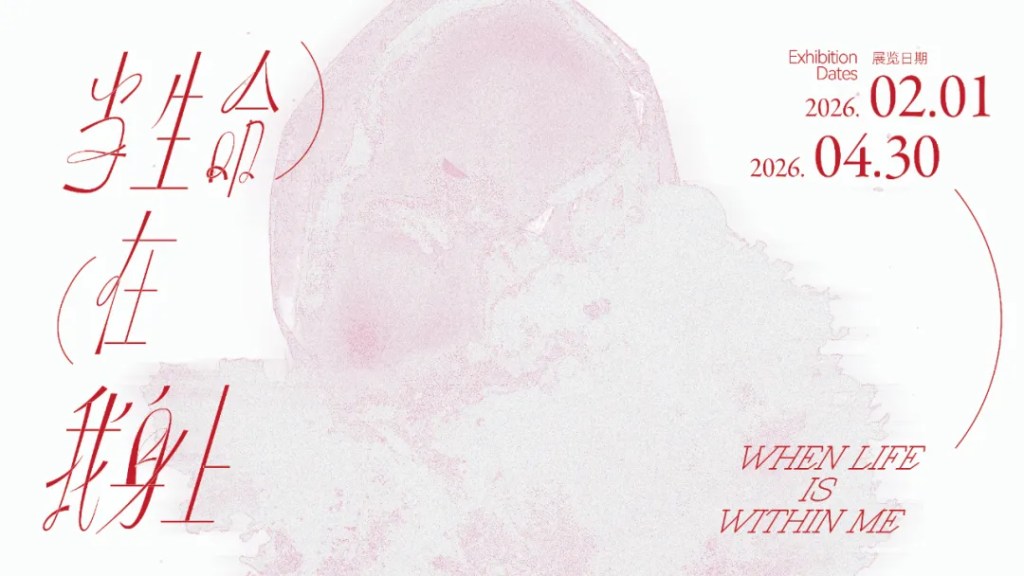
This is a commentary I wrote for the art exhibition.
The issue of “low fertility” is predominantly raised and discussed by economists, leading it to be viewed primarily as an economic problem—a matter of cost, and a calculation of input versus return. In response, I propose a different question: As biological beings of the natural world, why have humans seemingly lost the instinct to reproduce and their inherent vitality, surrendering them instead to meticulous calculation?
The exhibition “When Life Is Within Me” was born from my observations as a philanthropist regarding the global phenomenon of ultra-low fertility. However, this curation is not intended to “coerce” births; rather, it aims to transmit a far more significant message.
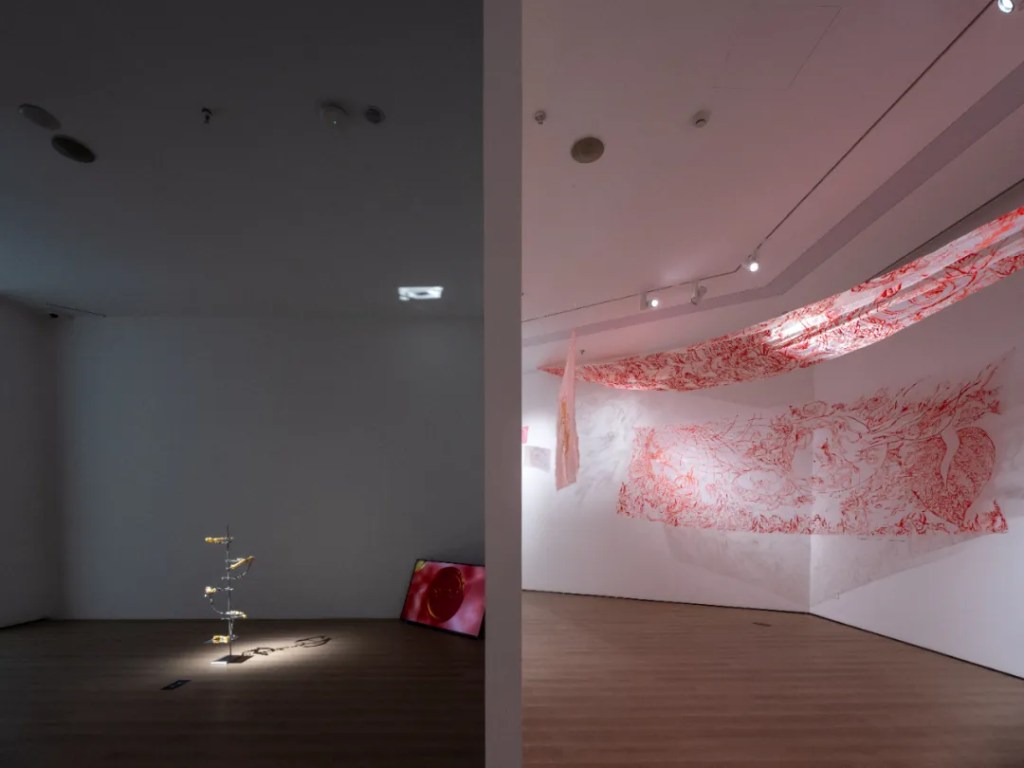
Industrialization and Biopolitics: A Brief History of 20th-Century Fertility
Reviewing the history of East Asian population trends since the 20th century reveals how reproduction shifted from a natural evolution within the private sphere into the domain of state-rational management. In the accelerated pursuit of industrial modernization, individuals were measured within the frameworks of national competition and economic growth. This logic of governance stripped fertility of its “natural rhythm” and transformed it into a regulated “output index”.
This is a classic practice of “biopolitics,” where the body is viewed as an element for industrial accumulation, and the womb is alienated into a production line for the macroeconomy.
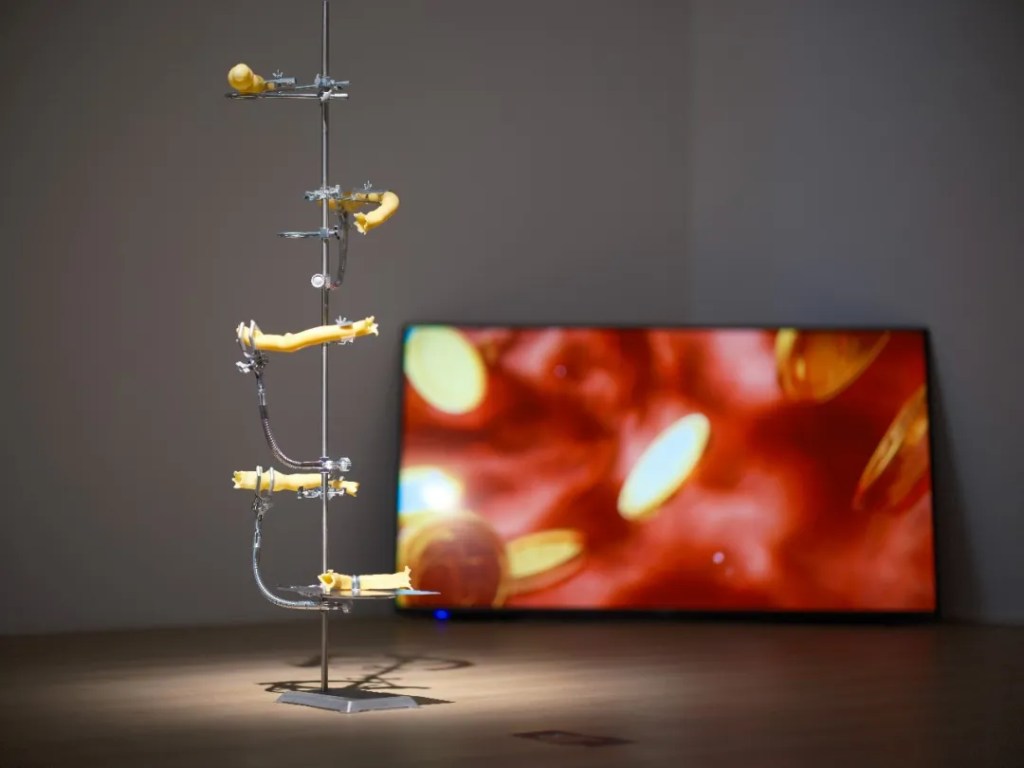
Under this logic, humans are no longer the end goal but rather configurable and replaceable “dividends” within the social machine. Through long-term discipline in policy and discourse, this external industrial logic has been internalized as an individual ethical standard. Reproductive decisions have withered from an instinctive, natural expression of life into a risk calculation based on individual survival redundancy. When procreation must be justified through a rigorous profit-and-loss statement, humanity has, on a cultural level, essentially performed a structural sterilization of “irrational vitality”.
Life and Art: Incommensurability and Non-Material Value
The core logic of industrial goods is “standardization” and “substitutability”; their value exists in exchange and utility. In contrast, the essence of an artwork lies in its incommensurability.
Artistic creation is an “overflow”—an impulse for life to explore the boundaries of meaning after basic survival needs are met. Creators throughout history produced great works even amidst extreme scarcity because their drive stemmed from a biological “desire for expansion” and a spiritual “pursuit of eternity”.
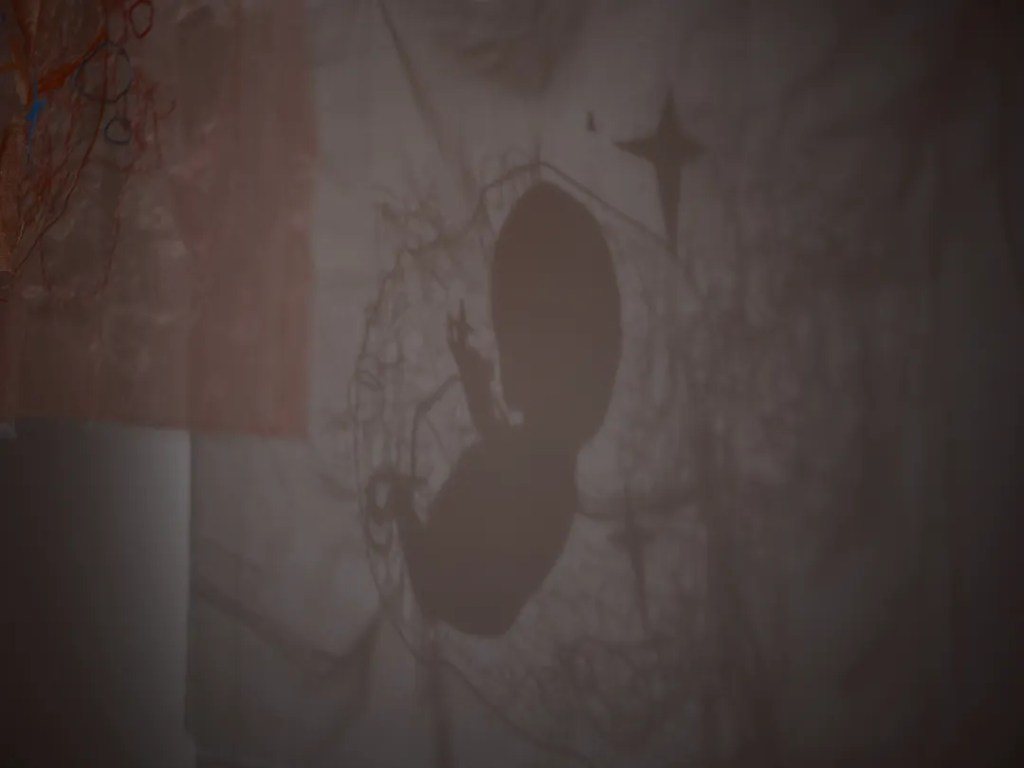
Only when we view “human” as an artwork rather than an industrial product can the nature of our relationships fundamentally change:
- Internal Drive: Intimacy and child-rearing are no longer seen as means to achieve social status or financial security, but as the self-fulfillment of a life experience.
- Uniqueness: The idea that “human is the sum of all social relations” means that every life is a unique original woven from specific memories, emotions, and contingencies.
- Artistic Logic vs. Technical Arrogance: The mindset of “if you abort this one, there is always the next” reflects the arrogance of technical rationality toward life. In the logic of art, however, the absence of any single life is a permanent damage to the integrity of the world.
Reclaiming Vitality: Returning from Calculation to Existence
Low fertility is less a product of economic crisis than an external manifestation of a “crisis of meaning”. When humans lose their passion for the “unpredictable process of life” and instead pursue a “completely controllable state of low entropy,” vitality begins to wither. Vitality is neither blind optimism nor a simple biological drive; it manifests as an individual’s capacity to accept “contingency” and “otherness”.
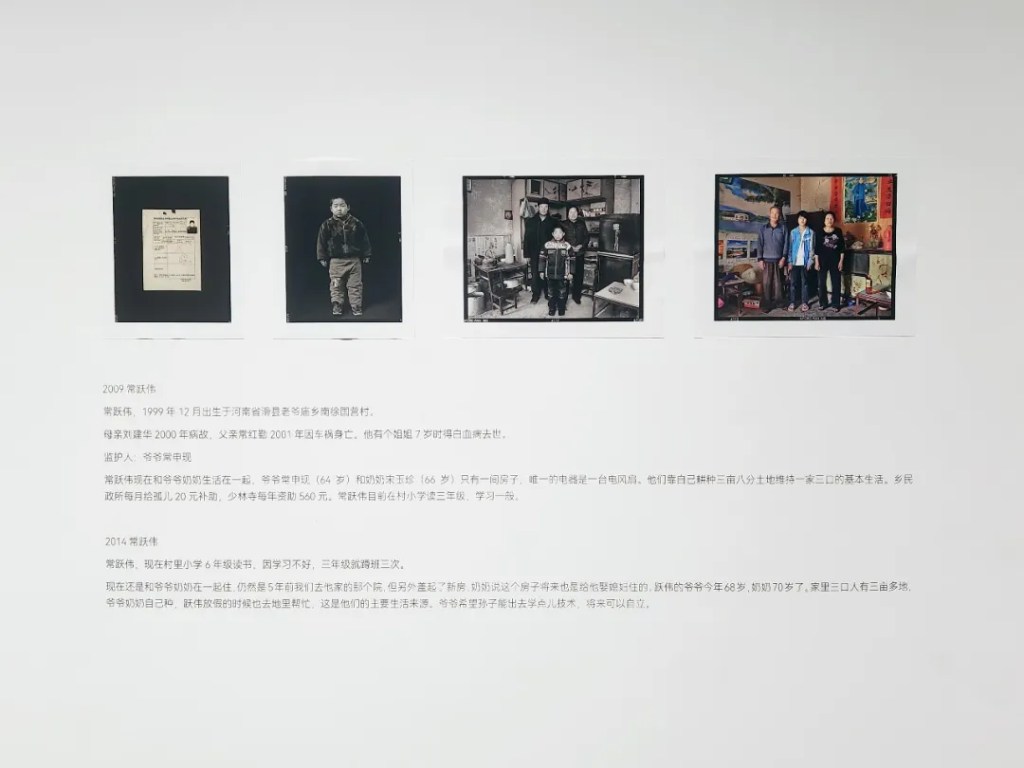
Accepting contingency means refusing to turn life entirely into a path recommended by algorithms, allowing for the “useless” and the parts of life that cannot be immediately monetized. True vitality lies in the ability to penetrate the jungle of data and indicators to rediscover dignity as an individual and as a living entity.
This curation intends to construct a space where observers can temporarily detach themselves from the illusion of the “rational man”. If a human being is an artwork, his value should not be reduced to how much GDP he contributes to society. Instead, it should be reflected in how he resists nihilism and demonstrates unquantifiable life tension through connection with others and the procreation of the unknown within his limited life cycle.
If the foundation of human existence itself cannot be established, then all human constructs attached to it will eventually become water without a source, or a tree without roots.
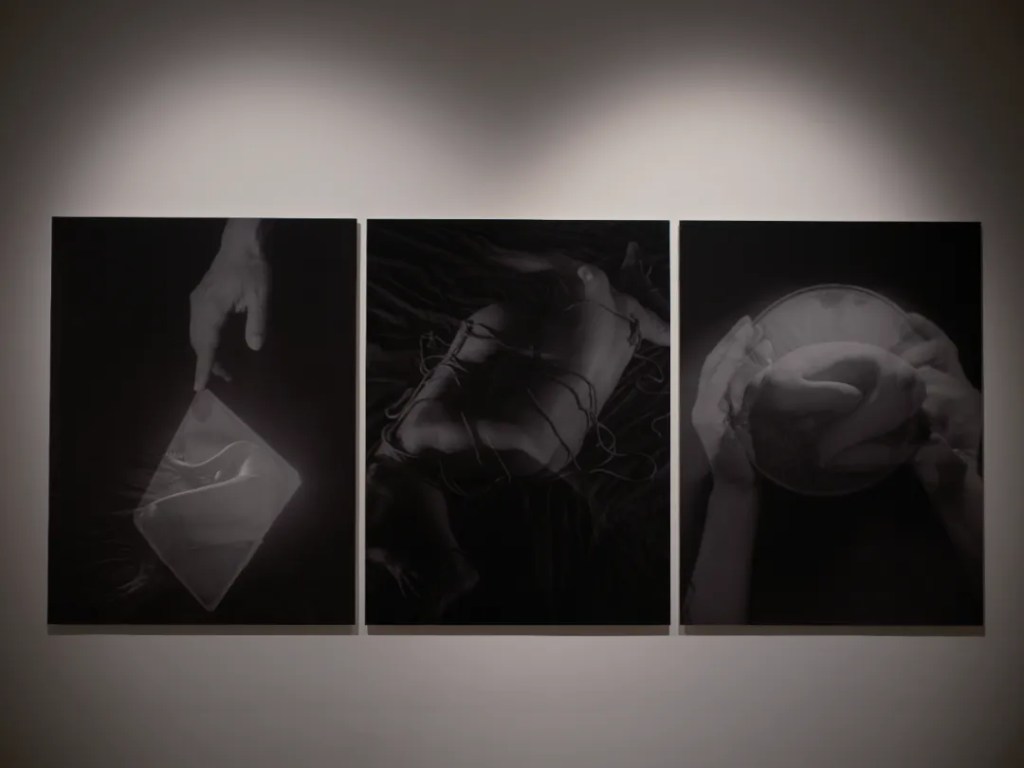
Finally, may life reside within you and me.
Originally written in Chinese and translated via AI; please excuse any inaccuracies.
 Jonny Fan
Leave a comment